

Close-up of hand writing on tax form with calculator nearby on white surface.

Average Cost of Living for Homeowners in Los Angeles

Understanding Homeowner Living Costs in LA Matters

If you have bought a house in Los Angeles, you might think you have hit the jackpot. But here is the catch: the down payment is only the start of your expenses. It’s a big city, and obviously, the costs are high.  

Besides the cost of housing, there are many other things to think about. Like utilities, transportation, food, and other daily expenses. If you understand the overall cost, it can help you avoid cash flow problems and make informed decisions.

A quick look at LA costs

  • The basic factor that drives up costs in LA is the cost of housing. Most house starting prices are in thousands of dollars. if you try to settle into a posh area its even higher. you also have to think about other expenses like property taxes, insurance, maintenance, and repairs.
  • The weather is mostly moderate in LA so you get a bit of relief in utility bills. However, the bills are still there. You will have to pay the electricity, water, gas, & internet bills. 
  • You can’t survive in LA without a car, so transportation is going to be a major expense. With a car come gas, insurance, maintenance, and parking expenses. And the cost is usually higher compared to their expenses. 
  • Food is one expense you can easily control because it depends on how much you eat. But you have a habit of eating out, and the expense can suddenly become a problem.
  • Although you will receive a good salary in LA, but its likely it might be short compared to your expenses. So follow a budget strictly.

Understanding the true cost of living helps you manage your cash flow. This article provides an overview of the average cost of living in Los Angeles for homeowners. Use this article to create a budget and make comparisons.

Costs Associated with Housing in Los Angeles

Mortgage Payments and Home Prices

Home prices in Los Angeles are predicted to remain stable in 2026 and increase slowly, by 1 to 4 percent. Big changes are now behind us.

Mortgage rates are now stable. They are now in the low to mid-6% range. This is an improvement over the high rates, but not as favorable as the last two years. Therefore:

  • Emphasis on monthly payments, not just the purchase price
  • Higher interest rates lower purchasing power
  • Overpriced homes remain unsold for longer and eventually sell at a lower price

Homes in desirable neighborhoods still sell, especially when inventory is low, but buyers are more cautious about now. They compare price per square foot and review recent sales before making an offer.

Property Taxes in Los Angeles

Property taxes are now a major consideration in housing costs, rather than a secondary consideration.

When you purchase a house, the taxes are also re-evaluated, and thus the annual taxes may be higher than what the former owner paid. The buyers consider the following:

  • Annual taxes
  • Long-term expenses
  • The overall cost of housing, not just the mortgage

As a result, higher house prices translate to higher taxes.

Your Home Insurance Costs

Insurance is a significant expense for LA homes. Insurance rates are increasing, particularly in fire-susceptible or high-risk areas. For some homes, insurance expenses become a deciding factor for buyers.

Buyers now take into account:

  • Insurance quotes before making an offer
  • Risk areas and reconstruction costs
  • Older homes that are more expensive to insure

Insurance is not a small expense; it can be a deciding factor in monthly ownership expenses.

HOA Fees and Maintenance

HOA fees and maintenance expenses are highly significant in the decision.

Buyers consider the following:

  • Monthly HOA fees
  • What is covered in the HOA fees
  • Special assessments for maintenance
  • Maintenance expenses for older or larger homes

Higher HOA fees can be as significant as a higher mortgage payment. This is particularly true for condos and townhomes.

Essential Monthly Expenses
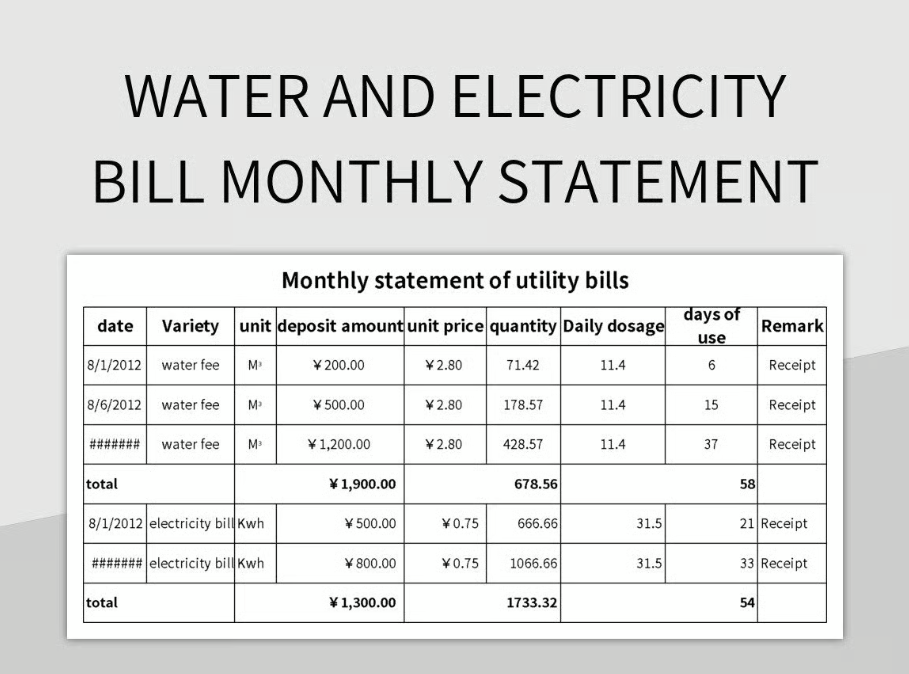
Utilities

Electricity

  • Average Cost: Around $250-$255 per month for an average household.
  • Consumption: Around 920 kWh per month.
  • Rate: Around 28 cents per kWh, which is relatively higher than the average cost in the U.S.

Gas

Average Cost: Natural gas bills depend on the amount of gas used for heating, cooking, and water heating. In LA, natural gas bills remain moderate during the mild winter months, as compared to other states with harsher winters.

Water

Average Cost: Average water bills for single-family residences range from $50 to $100+ per month, depending on the number of residents in the household.

Internet, TV & Phone

Internet and phone services differ, but here is a brief rundown:

  • Internet: Basic internet access will cost between $40-$60 a month. Fiber internet (300-1,000 Mbps) will cost between $60-$100 a month.
  • TV (Cable/Satellite): Regular TV packages will cost between $60-$120+ per month, depending on the channels and sports packages.
  • Phone: Unlimited mobile phone plans will cost between $30-$80 per month per line, depending on the carrier and if it’s a multi-line plan.

Cost Table: Average Monthly & Annual Costs for LA Homeowners

Category of ExpenseYour Average Monthly CostYour Estimated Annual CostDetails
Your Mortgage PaymentThis cost varies by home price & rateIt usually variesThe Rates are currently in low–mid 6% range; but the higher rates will reduce your  buying power
The Taxes on Your PropertyIt’s ~1 percent – 1.25 percent of the home’s valueDepends on assessed value of your houseThe value is reassessed when you buy your house; higher home value = higher taxes
Insurance cost for your homeCould be between $150 and $300+.Could be between $1,800 and $3,600+The cost is much higher in fire-prone or high-risk areas
HOA Fees you might have to payCould be between $300 and $600+Could be between $3,600 and $7,200+The fee is usually the same for condos & townhomes
Your Electricity billCould cost between $250 and $255~$3,000Avg. usage ~920 kWh/month at ~28¢ per kWh
Your Natural Gas BillCould be between $35 & $75Could be between $420 & $900It is usually Lower in the winter
Your Water BillCould be between $50 & $100+Could be between $600 & $1,200+It usually depends on household size
Your Internet BillCould be between $40 & $100Could be between $480 $1,200Fibre costs more
Your TV & Cable BillCould be between $60 and $120+Could be between $720 and $1,440+It depends on your package
Your Mobile Phone BillCould be between $30 & $80Could be between $360 & $960It depends on your carrier & plan
Your Transportation (Gas, Insurance, Maintenance) costsCould be between $400 & $800+Could be between $4,800 & $9,600+It depends on your usage
Cost of Your GroceriesCould be between $400 & $700+Could be between $4,800 & $8,400+It mostly depends on your  household size & lifestyle

Note: These numbers are approximate averages and may change with market conditions.

An Easy Guide to Budgeting as a Homeowner in Los Angeles

Understand your income

You should make a list of all of your income sources, like salary and side hustles. Only budget after your income has been taxed.

Record all your expenses

Record everything: your mortgage, insurance, utilities, groceries, etc.

Utilise an online budget template

Use online budget templates and follow rules like 50 percent for needs, 30 percent for wants and 20 percent for savings.

Save for emergencies

You will never know when you might run into an emergency. So set aside a bit of money for emergencies.

Save for housing expenses separately

You should plan and keep 2 to 3 months of mortgage, property taxes and insurance money in hand.

Adjust and track

Monitor your expenses; don’t just make a budget and forget about it. Adjust as your expenses change. try to limit all unnecessary expenses as much as you can.

Utilise online financial resources

There are lots of tools available online that will help you budget. like spreadsheets, apps and software. Use them to budget and set reminders.

Seek professional assistance when necessary

If you can befriend a real estate agent, He can help you a lot. You can even hire one for a small fee. 

FAQ: Average Cost of Living for Homeowners in Los Angeles

1. What is the average cost of living for homeowners in Los Angeles?

For homeowners in LA, the cost of living is more than just the mortgage. You have to pay property taxes, homeowners insurance, utilities, transportation, food, and maintenance. The cost of housing is the largest expense, and when you factor in insurance, taxes, and maintenance, the cost of ownership each month can seem like a lot more than what buyers are used to paying.

2. Why is the cost of living higher for homeowners than renters in LA?

Renters pay a fixed amount of money each month. Homeowners pay variable amounts over the long term, such as property taxes, potential insurance hikes, maintenance, homeowners association dues, and major replacements such as roofs or air conditioning units. A busted water heater costs you, not the landlord.

3. How much do utilities cost for a homeowner in Los Angeles?

Electricity costs around $250-$255 per month for a standard dwelling using about 920 kWh per month, with higher rates per kWh than in many areas of the U.S. Water bills can range from $50-$100+ per month, depending on the size of the family. Internet, phone, and TV can add another $100-$250+ per month, depending on the plan.

4. Are property taxes high in Los Angeles?

Property taxes are a major consideration in terms of affordability. When a home is sold, its value is reassessed, and the annual tax payment may be higher than what the homeowner paid. This is a consideration for buyers, who factor in the long-term cost of taxes rather than just the price tag of the home because the higher the price of the home, the higher the taxes.

5. How much does home insurance cost in Los Angeles?

Insurance can be a large and increasing cost, particularly in fire-susceptible or high-risk areas. The cost of insurance varies based on the area, the replacement cost of the home, and the age of the home. Many buyers today shop for insurance quotes before making an offer because insurance costs can significantly impact monthly ownership costs.

6. Do HOA fees impact the cost of living?

Yes, particularly for condos and townhomes. Monthly HOA fees can impact affordability just like a higher mortgage payment. Buyers should also be aware of special assessments that pay for major repairs, which can mean sudden and large expenses.

7. How does the mortgage rate affect the cost of living?

Mortgage rates in the low to mid-6% range mean higher monthly payments compared to the past when rates were very low. Even small changes in rates impact buying power. That’s why buyers focus more on monthly affordability rather than just the price of the home.

8. What hidden costs should LA homeowners be prepared for?

Common hidden costs include:

– Emergency repairs (plumbing, roof, HVAC)

– Landscaping and pest control

– Seasonal utility bills, such as summer cooling bills

– Home upgrades and deterioration over time

These costs make it important to have an emergency fund.

Leave a Comment

Your email address will not be published. Required fields are marked *

Average Cost of Living for Homeowners in Los Angeles

Understanding Homeowner Living Costs in LA Matters

If you have bought a house in Los Angeles, you might think you have hit the jackpot. But here is the catch: the down payment is only the start of your expenses. It’s a big city, and obviously, the costs are high.  

Besides the cost of housing, there are many other things to think about. Like utilities, transportation, food, and other daily expenses. If you understand the overall cost, it can help you avoid cash flow problems and make informed decisions.

A quick look at LA costs

  • The basic factor that drives up costs in LA is the cost of housing. Most house starting prices are in thousands of dollars. if you try to settle into a posh area its even higher. you also have to think about other expenses like property taxes, insurance, maintenance, and repairs.
  • The weather is mostly moderate in LA so you get a bit of relief in utility bills. However, the bills are still there. You will have to pay the electricity, water, gas, & internet bills. 
  • You can’t survive in LA without a car, so transportation is going to be a major expense. With a car come gas, insurance, maintenance, and parking expenses. And the cost is usually higher compared to their expenses. 
  • Food is one expense you can easily control because it depends on how much you eat. But you have a habit of eating out, and the expense can suddenly become a problem.
  • Although you will receive a good salary in LA, but its likely it might be short compared to your expenses. So follow a budget strictly.

Understanding the true cost of living helps you manage your cash flow. This article provides an overview of the average cost of living in Los Angeles for homeowners. Use this article to create a budget and make comparisons.

Costs Associated with Housing in Los Angeles

Mortgage Payments and Home Prices

Home prices in Los Angeles are predicted to remain stable in 2026 and increase slowly, by 1 to 4 percent. Big changes are now behind us.

Mortgage rates are now stable. They are now in the low to mid-6% range. This is an improvement over the high rates, but not as favorable as the last two years. Therefore:

  • Emphasis on monthly payments, not just the purchase price
  • Higher interest rates lower purchasing power
  • Overpriced homes remain unsold for longer and eventually sell at a lower price

Homes in desirable neighborhoods still sell, especially when inventory is low, but buyers are more cautious about now. They compare price per square foot and review recent sales before making an offer.

Property Taxes in Los Angeles

Property taxes are now a major consideration in housing costs, rather than a secondary consideration.

When you purchase a house, the taxes are also re-evaluated, and thus the annual taxes may be higher than what the former owner paid. The buyers consider the following:

  • Annual taxes
  • Long-term expenses
  • The overall cost of housing, not just the mortgage

As a result, higher house prices translate to higher taxes.

Your Home Insurance Costs

Insurance is a significant expense for LA homes. Insurance rates are increasing, particularly in fire-susceptible or high-risk areas. For some homes, insurance expenses become a deciding factor for buyers.

Buyers now take into account:

  • Insurance quotes before making an offer
  • Risk areas and reconstruction costs
  • Older homes that are more expensive to insure

Insurance is not a small expense; it can be a deciding factor in monthly ownership expenses.

HOA Fees and Maintenance

HOA fees and maintenance expenses are highly significant in the decision.

Buyers consider the following:

  • Monthly HOA fees
  • What is covered in the HOA fees
  • Special assessments for maintenance
  • Maintenance expenses for older or larger homes

Higher HOA fees can be as significant as a higher mortgage payment. This is particularly true for condos and townhomes.

Essential Monthly Expenses

Utilities

Electricity

  • Average Cost: Around $250-$255 per month for an average household.
  • Consumption: Around 920 kWh per month.
  • Rate: Around 28 cents per kWh, which is relatively higher than the average cost in the U.S.

Gas

Average Cost: Natural gas bills depend on the amount of gas used for heating, cooking, and water heating. In LA, natural gas bills remain moderate during the mild winter months, as compared to other states with harsher winters.

Water

Average Cost: Average water bills for single-family residences range from $50 to $100+ per month, depending on the number of residents in the household.

Internet, TV & Phone

Internet and phone services differ, but here is a brief rundown:

  • Internet: Basic internet access will cost between $40-$60 a month. Fiber internet (300-1,000 Mbps) will cost between $60-$100 a month.
  • TV (Cable/Satellite): Regular TV packages will cost between $60-$120+ per month, depending on the channels and sports packages.
  • Phone: Unlimited mobile phone plans will cost between $30-$80 per month per line, depending on the carrier and if it’s a multi-line plan.

Cost Table: Average Monthly & Annual Costs for LA Homeowners

Category of ExpenseYour Average Monthly CostYour Estimated Annual CostDetails
Your Mortgage PaymentThis cost varies by home price & rateIt usually variesThe Rates are currently in low–mid 6% range; but the higher rates will reduce your  buying power
The Taxes on Your PropertyIt’s ~1 percent – 1.25 percent of the home’s valueDepends on assessed value of your houseThe value is reassessed when you buy your house; higher home value = higher taxes
Insurance cost for your homeCould be between $150 and $300+.Could be between $1,800 and $3,600+The cost is much higher in fire-prone or high-risk areas
HOA Fees you might have to payCould be between $300 and $600+Could be between $3,600 and $7,200+The fee is usually the same for condos & townhomes
Your Electricity billCould cost between $250 and $255~$3,000Avg. usage ~920 kWh/month at ~28¢ per kWh
Your Natural Gas BillCould be between $35 & $75Could be between $420 & $900It is usually Lower in the winter
Your Water BillCould be between $50 & $100+Could be between $600 & $1,200+It usually depends on household size
Your Internet BillCould be between $40 & $100Could be between $480 $1,200Fibre costs more
Your TV & Cable BillCould be between $60 and $120+Could be between $720 and $1,440+It depends on your package
Your Mobile Phone BillCould be between $30 & $80Could be between $360 & $960It depends on your carrier & plan
Your Transportation (Gas, Insurance, Maintenance) costsCould be between $400 & $800+Could be between $4,800 & $9,600+It depends on your usage
Cost of Your GroceriesCould be between $400 & $700+Could be between $4,800 & $8,400+It mostly depends on your  household size & lifestyle

Note: These numbers are approximate averages and may change with market conditions.

An Easy Guide to Budgeting as a Homeowner in Los Angeles

Understand your income

You should make a list of all of your income sources, like salary and side hustles. Only budget after your income has been taxed.

Record all your expenses

Record everything: your mortgage, insurance, utilities, groceries, etc.

Utilise an online budget template

Use online budget templates and follow rules like 50 percent for needs, 30 percent for wants and 20 percent for savings.

Save for emergencies

You will never know when you might run into an emergency. So set aside a bit of money for emergencies.

Save for housing expenses separately

You should plan and keep 2 to 3 months of mortgage, property taxes and insurance money in hand.

Adjust and track

Monitor your expenses; don’t just make a budget and forget about it. Adjust as your expenses change. try to limit all unnecessary expenses as much as you can.

Utilise online financial resources

There are lots of tools available online that will help you budget. like spreadsheets, apps and software. Use them to budget and set reminders.

Seek professional assistance when necessary

If you can befriend a real estate agent, He can help you a lot. You can even hire one for a small fee. 

FAQ: Average Cost of Living for Homeowners in Los Angeles

1. What is the average cost of living for homeowners in Los Angeles?

For homeowners in LA, the cost of living is more than just the mortgage. You have to pay property taxes, homeowners insurance, utilities, transportation, food, and maintenance. The cost of housing is the largest expense, and when you factor in insurance, taxes, and maintenance, the cost of ownership each month can seem like a lot more than what buyers are used to paying.

2. Why is the cost of living higher for homeowners than renters in LA?

Renters pay a fixed amount of money each month. Homeowners pay variable amounts over the long term, such as property taxes, potential insurance hikes, maintenance, homeowners association dues, and major replacements such as roofs or air conditioning units. A busted water heater costs you, not the landlord.

3. How much do utilities cost for a homeowner in Los Angeles?

Electricity costs around $250-$255 per month for a standard dwelling using about 920 kWh per month, with higher rates per kWh than in many areas of the U.S. Water bills can range from $50-$100+ per month, depending on the size of the family. Internet, phone, and TV can add another $100-$250+ per month, depending on the plan.

4. Are property taxes high in Los Angeles?

Property taxes are a major consideration in terms of affordability. When a home is sold, its value is reassessed, and the annual tax payment may be higher than what the homeowner paid. This is a consideration for buyers, who factor in the long-term cost of taxes rather than just the price tag of the home because the higher the price of the home, the higher the taxes.

5. How much does home insurance cost in Los Angeles?

Insurance can be a large and increasing cost, particularly in fire-susceptible or high-risk areas. The cost of insurance varies based on the area, the replacement cost of the home, and the age of the home. Many buyers today shop for insurance quotes before making an offer because insurance costs can significantly impact monthly ownership costs.

6. Do HOA fees impact the cost of living?

Yes, particularly for condos and townhomes. Monthly HOA fees can impact affordability just like a higher mortgage payment. Buyers should also be aware of special assessments that pay for major repairs, which can mean sudden and large expenses.

7. How does the mortgage rate affect the cost of living?

Mortgage rates in the low to mid-6% range mean higher monthly payments compared to the past when rates were very low. Even small changes in rates impact buying power. That’s why buyers focus more on monthly affordability rather than just the price of the home.

8. What hidden costs should LA homeowners be prepared for?

Common hidden costs include:

– Emergency repairs (plumbing, roof, HVAC)

– Landscaping and pest control

– Seasonal utility bills, such as summer cooling bills

– Home upgrades and deterioration over time

These costs make it important to have an emergency fund.

Leave a Comment

Your email address will not be published. Required fields are marked *