

If you bought a house in New York City, you might feel like you have hit the jackpot. NYC has the most expensive real estate prices compared to the rest of the country. Choices are limited to compact co-ops, luxury condos, and townhouses. The market is shaped by space and demand. Understanding the full cost of ownership is just as important as finding the right place.
Many buyers think a mortgage is the only thing they have to pay. They are then surprised to find out that it is only the starting point. The true monthly cost of owning a home in NYC includes property taxes, maintenance fees, homeowners’ insurance & utilities. Over time, these costs add up. If you budget only for the mortgage, you risk financial stress when other bills show up.
When you think about monthly costs, you don’t just ask, “Can I buy this house?” You also ask if you can afford the monthly costs that come with ownership. It protects you from surprises that derail long-term plans, like saving, investing, or job changes.
Several key factors shape what you will actually pay each month:
Location. Property taxes, building fees, and insurance all depend on the area and the type of your building.
Property type. If it’s a co-op or condo, you’ll have to pay maintenance fees. A single-family home means you’ll pay for repairs, insurance, and taxes yourself.
Size and condition. If your home is big, you’ll consume more utilities, and you’ll have to pay more taxes.
A smart buyer such as yourself should be aware of the total cost of homeownership in New York City. Reading this guide is a good start.
Major Components of Monthly Homeownership Costs
Mortgage Payments
The mortgage payment is typically the largest expense. It consists of:
Principal: The amount you pay to repay your loan
Interest: The cost of borrowing money, which the lender charges you
You may also have to pay property taxes and insurance as a single amount. Just because you can afford to borrow a certain amount of money doesn’t mean that it is within your budget.
Property Taxes
Property taxes are based on the value of your property and the local tax rate. The higher the value of your property, the higher your tax liability.
You may have to pay taxes annually or bi-annually.
Your taxes may increase if the value of your property increases or if tax rates increase.
The average tax rate in the U.S. is 0.9% of the value of your property per year, but your local tax rate may be different.
Homeowners Insurance
This is a necessary expense to protect your property from fire, storms, and theft.
The cost of insurance depends on:
Where you live
The value of your property
The amount you pay for insurance
Risk factors (flood zones, storm areas, etc.)
Your insurance may not cover floods or earthquakes; you should check with your insurance company about additional coverage for these risks.
Utilities and Maintenance
As a homeowner, you will have to pay for all expenses related to the maintenance of your property. These expenses are often hidden and can cause problems in the future.
Utilities include:
Electricity
Water
Gas
Trash collection
Internet
These expenses vary depending on the season, size of your property, and usage.
Maintenance:
Routine maintenance (HVAC filters, gutter cleaning, inspections)
Major systems (roof, plumbing, electrical, HVAC)
Emergency repairs
For maintenance and repairs, try to keep 1-2% of your property’s value each year.
Sample Monthly Cost Breakdown Table
| Component | Includes | Cost-Affecting Factors | Tips |
| Mortgage | This includes Principal + Interest | Your Loan amount, your interest rate, your loan term,& down payment | If you pay a larger down payment, it lowers your monthly payment |
| Property Taxes | You have to pay Local property tax based on the assessed home value | The value of your home, your neighbourhood, your local tax rate, and the exemptions you might have | You should reassess your home’s value; Look for primary residence or senior exemptions to save money |
| Homeowners Insurance | Fire, theft, storms (floods/earthquakes might be excluded) | The location of your home, its value, your coverage level, & risk factors like flood and storm zones | You should shop around for quotes, bundle policies, |
| HOA / Maintenance Fees | Your condo or co-op maintenance charges that you will have to pay | Property type, whether you have a co-op/condo vs single-family house, Your building’s age, and size | If your home is older, you might need more upkeep; Just leave 1–2% of the home value aside per year for repairs. |
| Utilities | The cost of your Electricity, water, gas, trash, and internet | The size of your Home, | Track your bills, reduce your consumption, and reduce costs |
| Private Mortgage Insurance (PMI) | You will have to pay the down payment if it’s less then 20% | The amount of your Down payment | You can avoid PMI by increasing your down payment |
| Emergency / Repairs | Charges that are unexpected for issues like plumbing, HVAC, roof, and electrical | The age of Home, & its maintenance costs | Just try to handle minor repairs early to prevent bigger expenses |
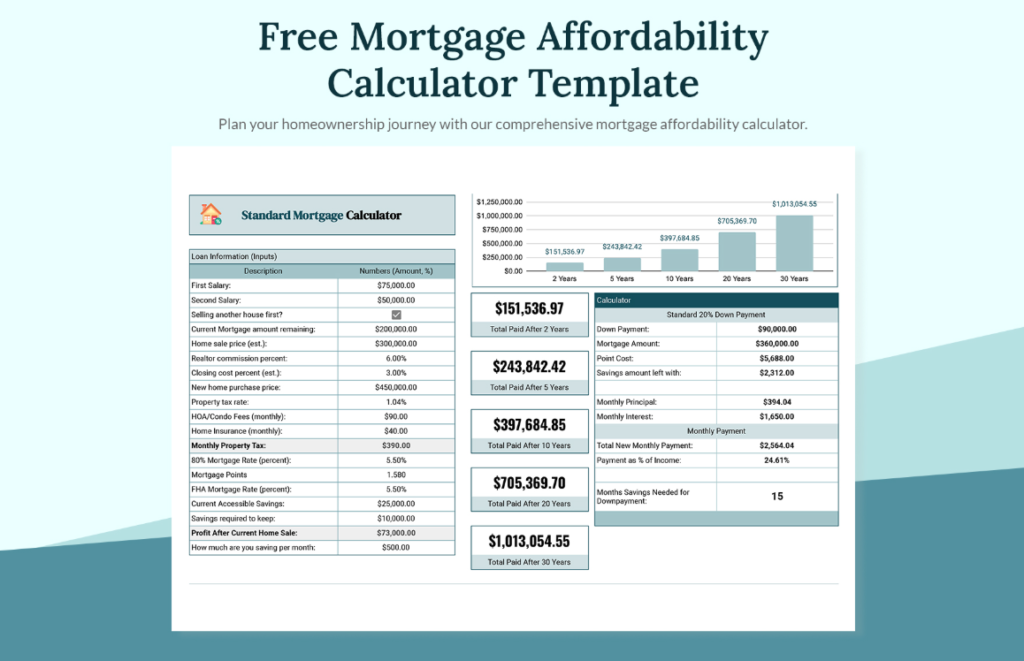
Factors That Affect Monthly Costs
Neighbourhood and Borough Differences
Where you buy makes a big difference in your monthly payment, even if the houses are similar. Some regions are cooling off, with more homes remaining on the market and more homes in inventory, which can give buyers an edge in negotiations. In a slower market, sellers are also offering bigger discounts to cash buyers, and this indicates that the demand is not as strong in other areas.
However, in areas with good neighbourhoods and low inventory, the demand is still driving prices and monthly payments up. Property taxes, insurance risk (such as in areas prone to storms), and HOA fees differ by area and can increase the monthly payment by hundreds of dollars. In many cities, taxes and insurance alone now account for more than 40% of the total monthly payment, not just the mortgage.
Home Size and Type
Larger homes mean larger expenses:
– Higher purchase price
– Larger loan amount and interest payments
– Higher property taxes
– Higher insurance premiums
– Higher maintenance and repair costs
A single-family home will generally cost more per month than a condo, but condos may charge homeowners’ association fees. An older home may be less expensive to purchase but could mean higher repair costs. A new home may be more expensive to buy but could mean lower maintenance costs in the short term.
Interest Rates and Market Trends
Interest rates on mortgages have a large effect on payments. Even small changes in interest rates mean a lot over a period of 30 years. Interest rates remain above 6% for most buyers, and hence payments remain high compared to the past. Some builders provide rate buydowns to reduce payments temporarily, but borrowing remains expensive nonetheless.
National home prices are expected to stabilize and not fall much, and hence buyers will not get much of a price reduction. In areas where there is too much inventory, prices remain lower, but in areas with inventory shortages, prices remain higher.
Tips to Reduce Monthly Homeownership Costs
Owning a home is similar to owning a pet. The costs quickly pile up. It’s not just about how much money you earn; it’s also about how much you can save. Below are the practical ways you can lower your monthly costs.
Making a Larger Down Payment
A bigger down payment lowers your monthly mortgage payment right away. It can also help you:
- Avoid private mortgage insurance (PMI)
- Qualify for better interest rates
- Reduce total interest
Even a small increase in down payment can increase your monthly savings.
Shop for Insurance and Taxes
Home insurance
Don’t just renew your policy because you are used to paying it.
- Shop for multiple insurers, not just your current one
- Ask about discounts for security systems, or try to bundle it with auto insurance
- Review your deductibles carefully. A higher deductible can lower premiums, but only if you have emergency savings
Property taxes
- Recheck your home’s assessed value. Compare it to similar homes.
- Look for exemptions you may qualify for, like primary residence or senior exemptions
These two areas alone can reduce a big chunk of your monthly housing costs.
Budgeting for Utilities and Maintenance
Utilities
- Track your average monthly electricity, water, gas, and trash costs.
- Improve your home’s efficiency with LED bulbs, insulation, weather sealing, and smart thermostats
Maintenance
- Set aside 1% to 2% of your home’s value per year for repairs and upkeep
- Handle small issues early. A minor leak is cheap. Water damage is not.
Conclusion
However, owning a home in New York City comes with more than just the mortgage payment. Every month, you could be paying for the mortgage, property taxes, homeowners insurance, maintenance, and utilities. The amount you pay can vary greatly depending on the size, location, and type of property you own. For instance, if you own a Manhattan co-op, you could be paying a lot for maintenance but not much for repairs, or if you own a single-family home in Queens, you could be paying for all repairs and taxes yourself. Property taxes and insurance could also be a big part of your expenses, accounting for as much as 40% or more of your monthly payments.
The key here is to budget and plan ahead. It’s very easy to get caught up in the excitement of buying a home, but neglecting to factor in the extra expenses could lead to financial woes down the road. By understanding the whole picture, including the mortgage payment, taxes, insurance, utilities, maintenance, and unexpected repairs, you can make informed decisions and secure your financial future.
The best way to do this is to factor in your expenses before you even buy a home. Consider the location, size, type, and condition of the home. Budget for potential increases in taxes, insurance, and utilities. Set aside 1-2% of your home’s value every year for maintenance and repairs. Taking small steps, such as shopping around for insurance, seeking tax exemptions, or making a bigger down payment, can make a world of difference in your monthly expenses.
By planning ahead and budgeting wisely, your home in New York City can be a source of comfort and security, not financial stress. Take a minute to consider all the pieces, and you’ll be ready to enjoy the benefits of homeownership without the headaches.
FAQs
1. What is the true monthly cost of owning a home in NYC?
The monthly cost includes more than just your mortgage. Expect to pay property taxes, homeowners insurance, utilities, maintenance, and possibly HOA or condo fees. These can add up quickly, so budgeting beyond your mortgage is essential.
2. How much are property taxes in New York City?
Property taxes depend on your home’s assessed value and local tax rates. NYC property taxes vary by borough and neighborhood, so a $1 million home could cost significantly more or less depending on location.
3. What does homeowners insurance cover and how much does it cost?
Homeowners insurance protects against fire, theft, storms, and sometimes other risks. Costs depend on home value, location, coverage level, and risk factors like flood zones. Flood and earthquake coverage is often separate.
4. How much should I budget for maintenance and repairs?
A good rule of thumb is 1–2% of your home’s value per year. This covers routine upkeep (like HVAC filters) and unexpected repairs (roof, plumbing, electrical). Planning ahead prevents financial stress.
5. Do utilities affect monthly costs significantly?
Yes. Electricity, gas, water, trash, and internet bills vary by home size, season, and usage. Energy-efficient upgrades and careful tracking can reduce these costs.
6. How does the type of property affect costs?
Condos and co-ops often have monthly HOA or maintenance fees, while single-family homeowners cover all repairs and taxes directly. Older homes may have lower purchase prices but higher repair costs.
7. How do interest rates impact monthly mortgage payments?
Even small changes in mortgage interest rates can significantly affect monthly payments over a 30-year loan. Buyers often face rates above 6%, which increases costs compared to past decades.8. Can a larger down payment reduce monthly expenses?
Absolutely. A bigger down payment lowers your mortgage payment, helps avoid private mortgage insurance (PMI), may qualify you for better rates, and reduces total interest paid over time